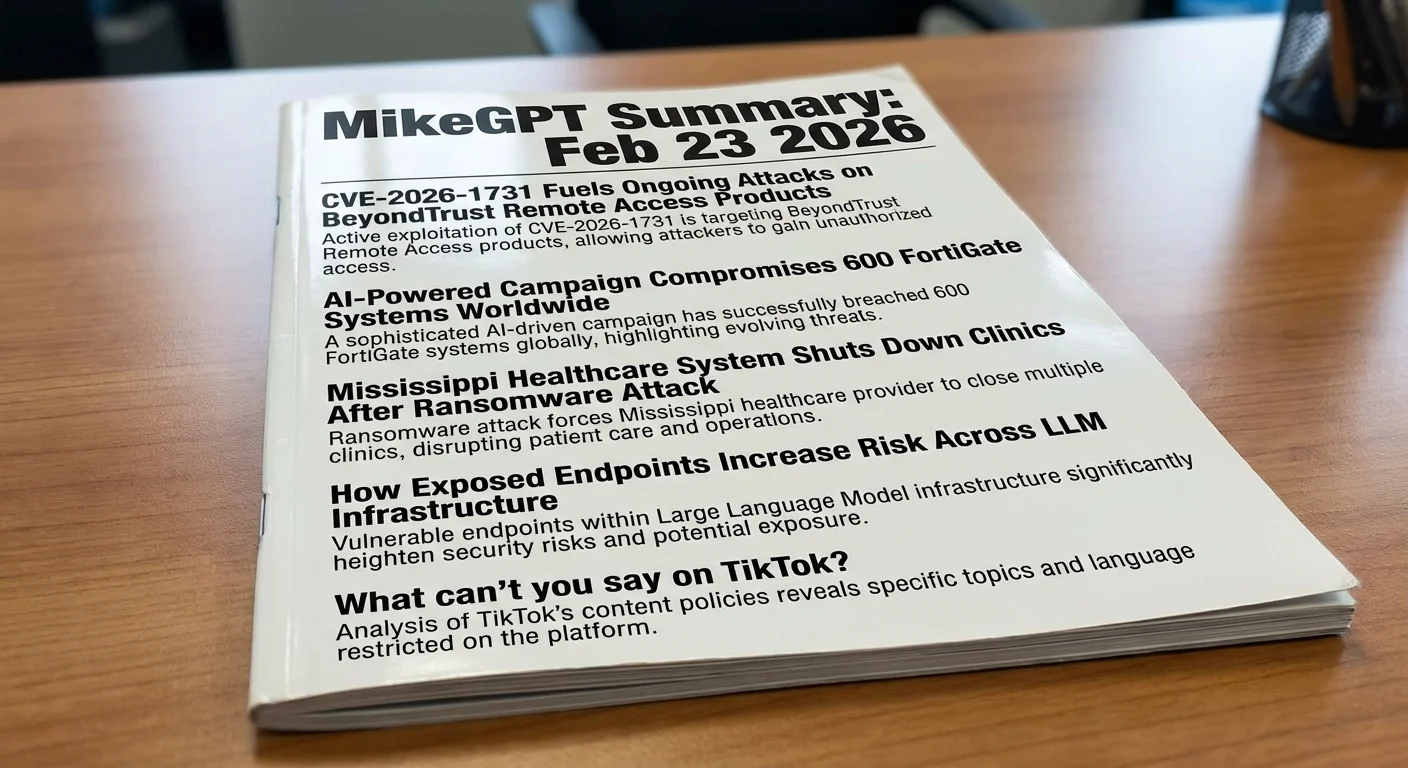
Heroes, your curated look at the current cybersecurity landscape for Feb 23, 2026.
Critical Threats
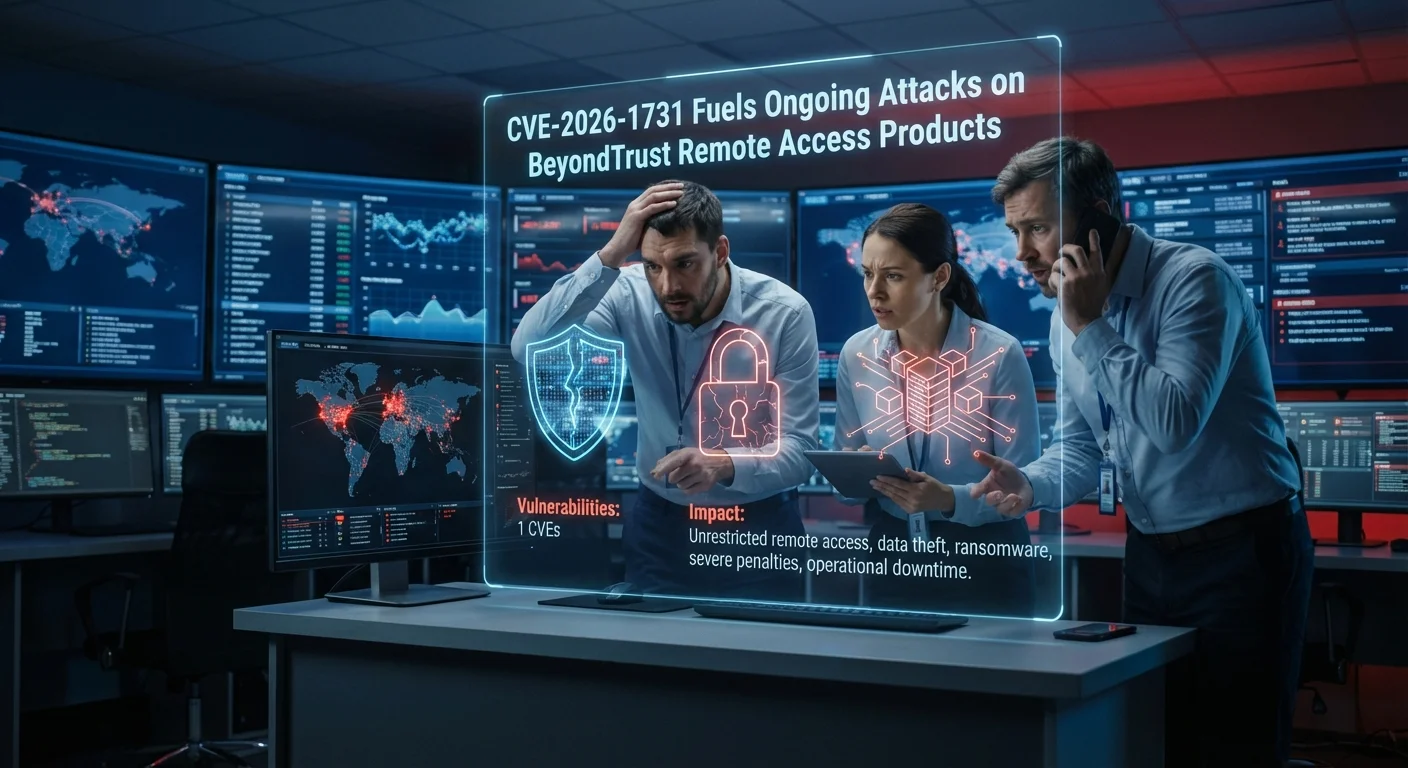
Threat actors are actively exploiting a critical vulnerability (CVE-2026-1731) in BeyondTrust Remote Support (RS) and Privileged Remote Access (PRA) solutions to deploy VShell, gain persistence, and move laterally across compromised networks. This represents a severe risk as these appliances inherently hold elevated privileges and direct access to critical internal infrastructure.
Business Impact
If exploited, attackers gain unrestricted remote access to your most sensitive internal systems, leading to catastrophic data theft, immediate deployment of ransomware, and severe regulatory penalties. The resulting operational downtime and breach notification costs could severely impact quarterly earnings and customer trust.
Recommended Action
Ask your IT team: Have we identified all BeyondTrust RS and PRA appliances in our environment, and are they fully patched against CVE-2026-1731?
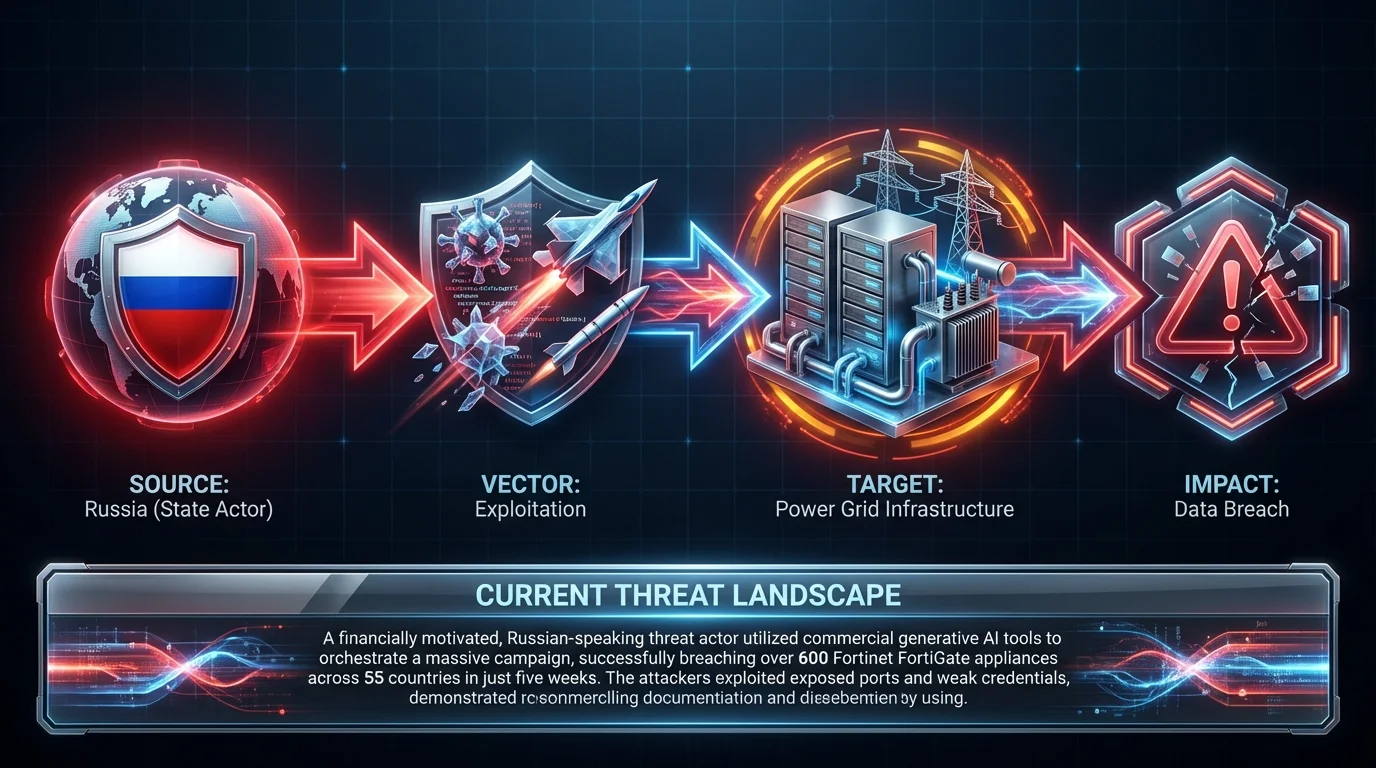
A financially motivated, Russian-speaking threat actor utilized commercial generative AI tools to orchestrate a massive campaign, successfully breaching over 600 Fortinet FortiGate appliances across 55 countries in just five weeks. The attackers exploited exposed ports and weak credentials, demonstrating how AI is drastically accelerating the scale and speed of cybercriminal operations.
Business Impact
A compromised perimeter firewall allows attackers to silently monitor corporate traffic, steal intellectual property, and establish a foothold for extortion. This exposes the organization to massive liability, loss of competitive advantage, and potential class-action lawsuits from impacted partners or customers.
Recommended Action
Ask your IT team: Are our FortiGate management interfaces exposed to the public internet, and have we enforced multi-factor authentication for all administrative access?
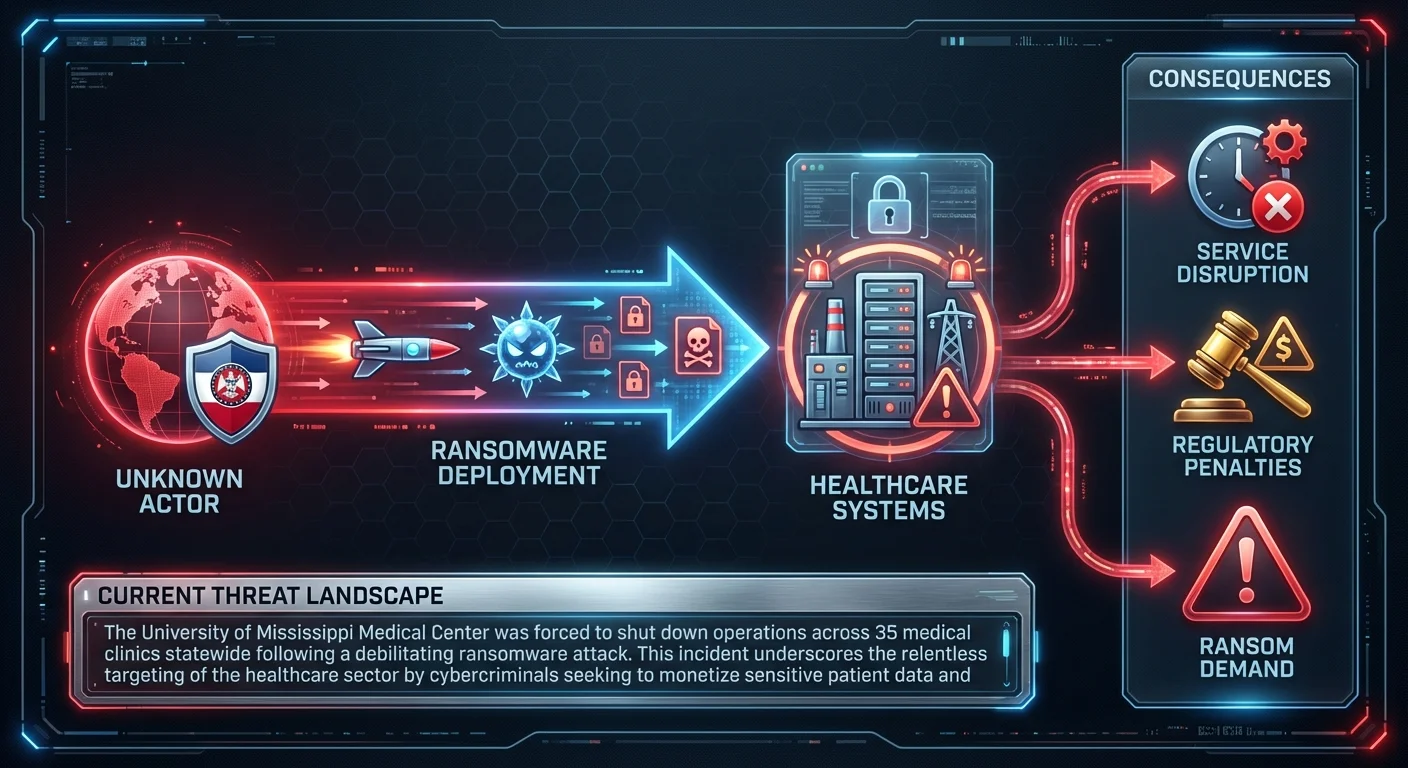
The University of Mississippi Medical Center was forced to shut down operations across 35 medical clinics statewide following a debilitating ransomware attack. This incident underscores the relentless targeting of the healthcare sector by cybercriminals seeking to monetize sensitive patient data and force payouts through critical service disruption.
Business Impact
Complete operational paralysis halts revenue generation and severely disrupts service delivery, while the theft of sensitive records triggers massive regulatory fines (e.g., HIPAA) and long-term reputational damage. The cost of incident response, legal defense, and system restoration often exceeds the ransom demand itself.
Recommended Action
Ask your IT team: Do we have immutable, offline backups for our critical patient or customer databases, and when was our last full tabletop exercise for a ransomware shutdown?
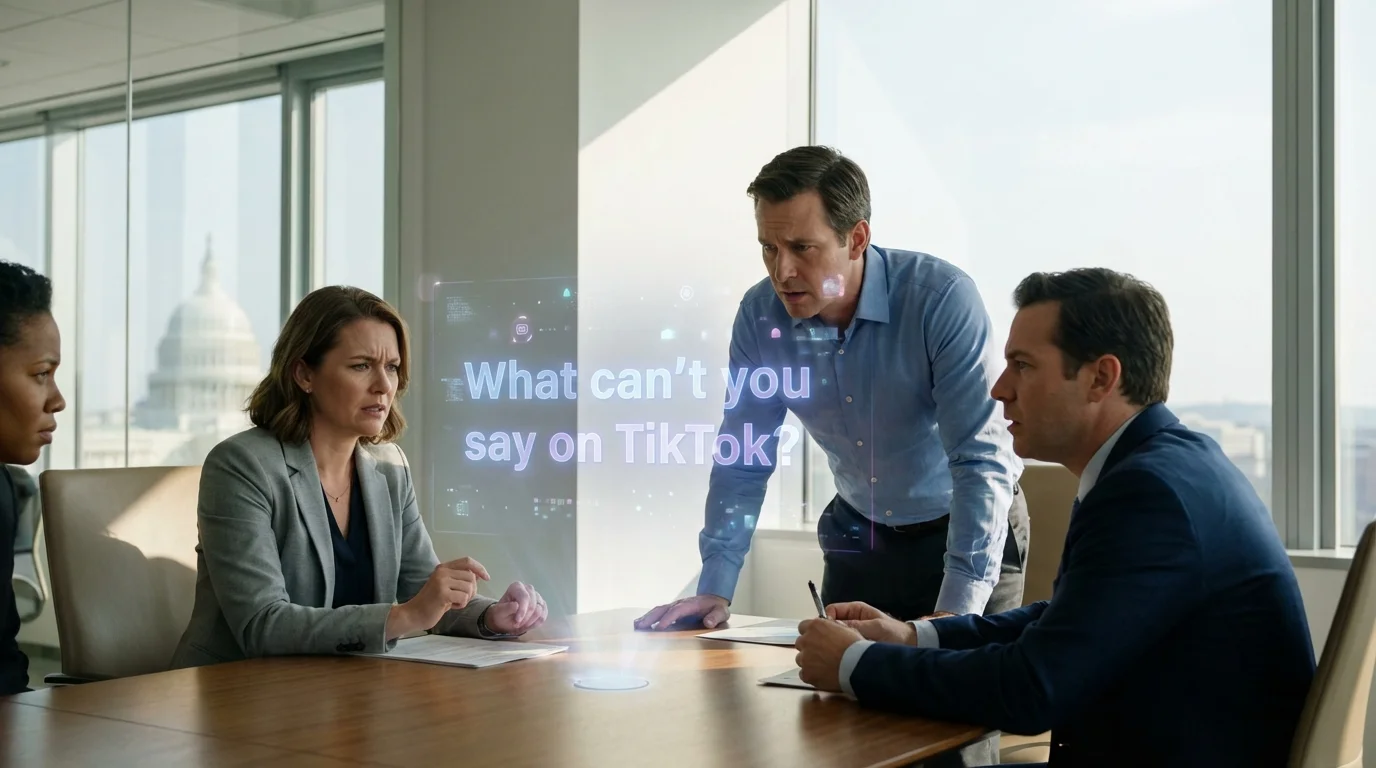
Following TikTok's transition to new American ownership, the platform is implementing new content rules and moderation policies. This shift highlights ongoing concerns regarding data privacy, corporate governance, and the regulatory landscape of major social media platforms.
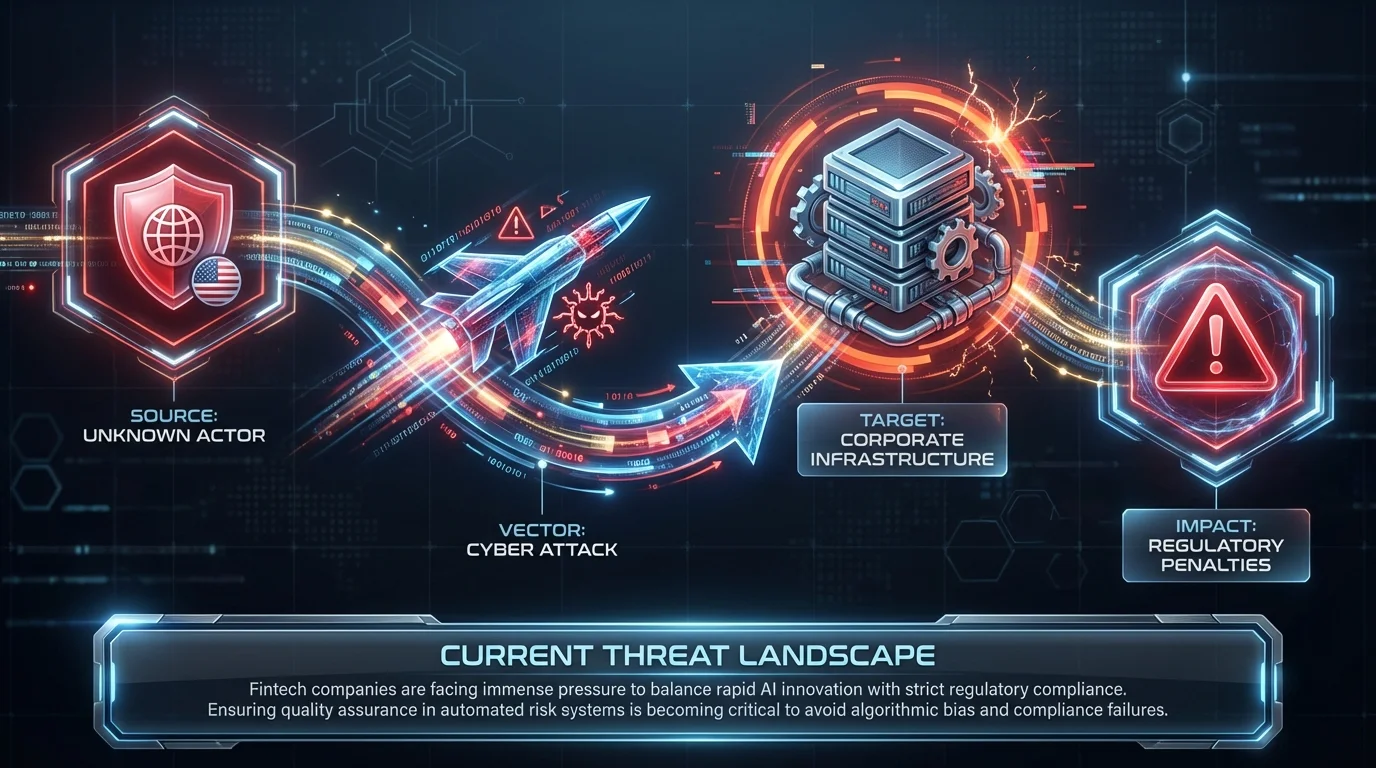
Fintech companies are facing immense pressure to balance rapid AI innovation with strict regulatory compliance. Ensuring quality assurance in automated risk systems is becoming critical to avoid algorithmic bias and compliance failures.
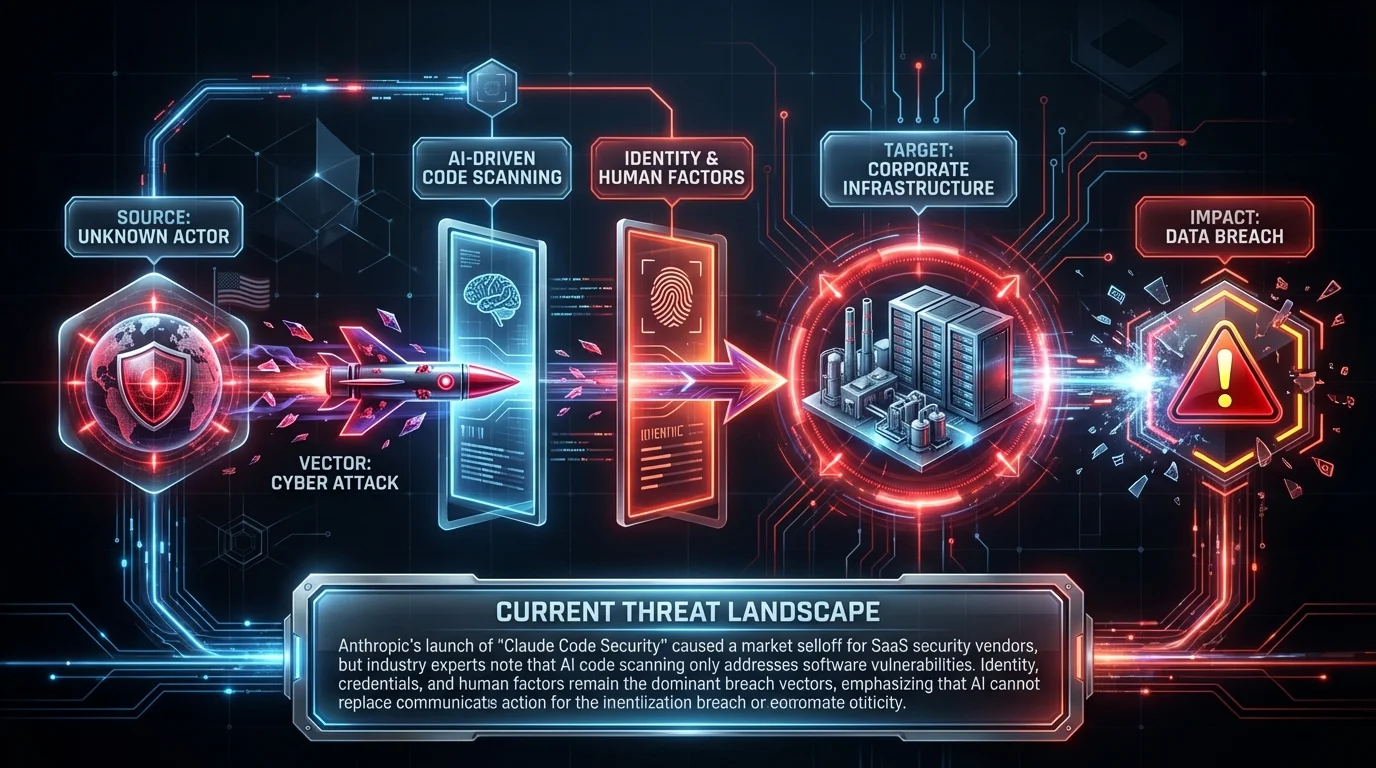
Anthropic's launch of "Claude Code Security" caused a market selloff for SaaS security vendors, but industry experts note that AI code scanning only addresses software vulnerabilities. Identity, credentials, and human factors remain the dominant breach vectors, emphasizing that AI cannot replace comprehensive identity and access management.
Vendor Spotlight
Salt Security (Specialized Vendor)
Specialization: API Security
Why Salt Security Today: Salt Security is highly relevant to today's threat landscape, particularly the risks associated with exposed endpoints and APIs supporting LLM infrastructure. By providing deep visibility and behavioral monitoring for APIs, Salt Security directly mitigates the vulnerabilities introduced by the rapid deployment of AI-driven architectures and their supporting services.
Key Capability: Continuous API discovery and behavioral threat protection to secure exposed endpoints and prevent unauthorized access.
Recommended Actions: 1. Navigate to Salt Security Console → API Discovery → Inventory 2. Navigate to Salt Security Console → Threat Protection → Attacker Timeline 3. Navigate to Salt Security Console → API Posture → Sensitive Data
Verification Steps: - Review the 'Discovered vs. Documented' API dashboard widget for the LLM service environments - Verify enforcement integration by checking the 'Blocked Attackers' status under Settings → Integrations (e.g., WAF or API Gateway)
⚫ DETECTION & RESPONSE KIT
-
⚠️ Disclaimer: Test all detection logic in non-production environments before deployment.
1. Vendor Platform Configuration - Salt Security
# Actionable Guidance for Salt Security
# Generated: 2026-02-23 15:14:45

# Step 1: Navigate to Salt Security Console → API Inventory → Discovered APIs
#   Purpose: Identify undocumented (Shadow) or deprecated (Zombie) APIs that AI agents or Non-Human Identities (NHIs) might be interacting with.
#   Expected: A comprehensive list of all active API endpoints, highlighting those lacking OpenAPI specifications (OAS) or exhibiting unexpected traffic patterns from automated agents.

# Step 2: Navigate to Salt Security Console → Posture → Sensitive Data
#   Purpose: Detect if API endpoints utilized by LLM infrastructures are exposing credentials, API keys, or sensitive tokens in requests or responses.
#   Expected: Identification and classification of endpoints transmitting sensitive data, allowing security teams to pinpoint where NHIs might be leaking or improperly accessing secrets.

# Step 3: Navigate to Salt Security Console → Attackers → Active Attackers
#   Purpose: Identify and block anomalous API consumption patterns typical of unauthorized automated agents or compromised NHIs.
#   Expected: Visibility into entities exhibiting malicious behaviors (such as BOLA/IDOR attempts or excessive data scraping) with options to enable inline blocking or integration with WAF/API Gateways.

# Verification Steps:
#   - Review the 'API Inventory' dashboard to ensure newly discovered LLM/Agentic endpoints are mapped, categorized, and have an auto-generated OAS applied.
#     Expected: The count of 'Shadow APIs' decreases as endpoints are properly documented, and baseline traffic patterns for NHIs are established.
#   - Simulate an unauthorized API call (e.g., missing authentication token or parameter tampering) against a known LLM/Agent API endpoint and monitor the 'Attackers' dashboard.
#     Expected: The simulated attacker IP or identity is flagged as an 'Attacker' and blocked (if inline prevention/remediation integrations are enabled).
2. YARA Rule for BeyondTrust Exploitation Artifacts
rule APT_BeyondTrust_CVE_2026_1731_Artifacts {
meta:
    description = "Detects malware artifacts associated with CVE-2026-1731 exploitation in BeyondTrust environments"
    author = "Threat Rundown"
    date = "2026-02-23"
    reference = "https://securityaffairs.com/?p=188370"
    severity = "high"
    tlp = "white"
strings:
    $s1 = "VShell" ascii wide nocase
    $s2 = "SparkRAT" ascii wide nocase
    $s3 = "Meterpreter" ascii wide nocase
    $s4 = "China" ascii wide
    $cve = "CVE-2026-1731" ascii wide
condition:
    any of ($s*) or $cve
}
3. SIEM Query — BeyondTrust CVE-2026-1731 Exploitation Attempts
index=security sourcetype="suricata" OR sourcetype="pan:threat"
(cve="CVE-2026-1731" OR signature="*BeyondTrust*" OR app="beyondtrust-rs")
| eval risk_score=case(
    match(_raw, "(?i)(VShell|SparkRAT|Meterpreter)"), 100,
    action="allowed" AND dest_port IN (443, 80), 50,
    1==1, 25)
| where risk_score >= 50
| stats count min(_time) as firstTime max(_time) as lastTime by src_ip, dest_ip, signature, risk_score
| convert ctime(firstTime) ctime(lastTime)
| sort -risk_score
4. PowerShell Script — Detect Suspicious Remote Access Artifacts
# Scans for known malware artifacts related to recent remote access exploits
$computers = "localhost"
$suspiciousProcesses = @("VShell", "SparkRAT")

foreach ($computer in $computers) {
    if (Test-Connection -ComputerName $computer -Count 1 -Quiet) {
        Write-Host "Checking $computer for suspicious processes..." -ForegroundColor Cyan

        foreach ($proc in $suspiciousProcesses) {
            $found = Get-Process -Name $proc -ComputerName $computer -ErrorAction SilentlyContinue
            if ($found) {
                Write-Host "[!] CRITICAL: Found suspicious process '$proc' on $computer!" -ForegroundColor Red
                # Uncomment to terminate:
                # Stop-Process -Name $proc -Force
            } else {
                Write-Host "[+] Clean: $proc not found." -ForegroundColor Green
            }
        }
    } else {
        Write-Host "[-] Cannot connect to $computer" -ForegroundColor Yellow
    }
}