
Heroes, your curated look at the current cybersecurity landscape for Jan 17, 2026.
Critical Threats
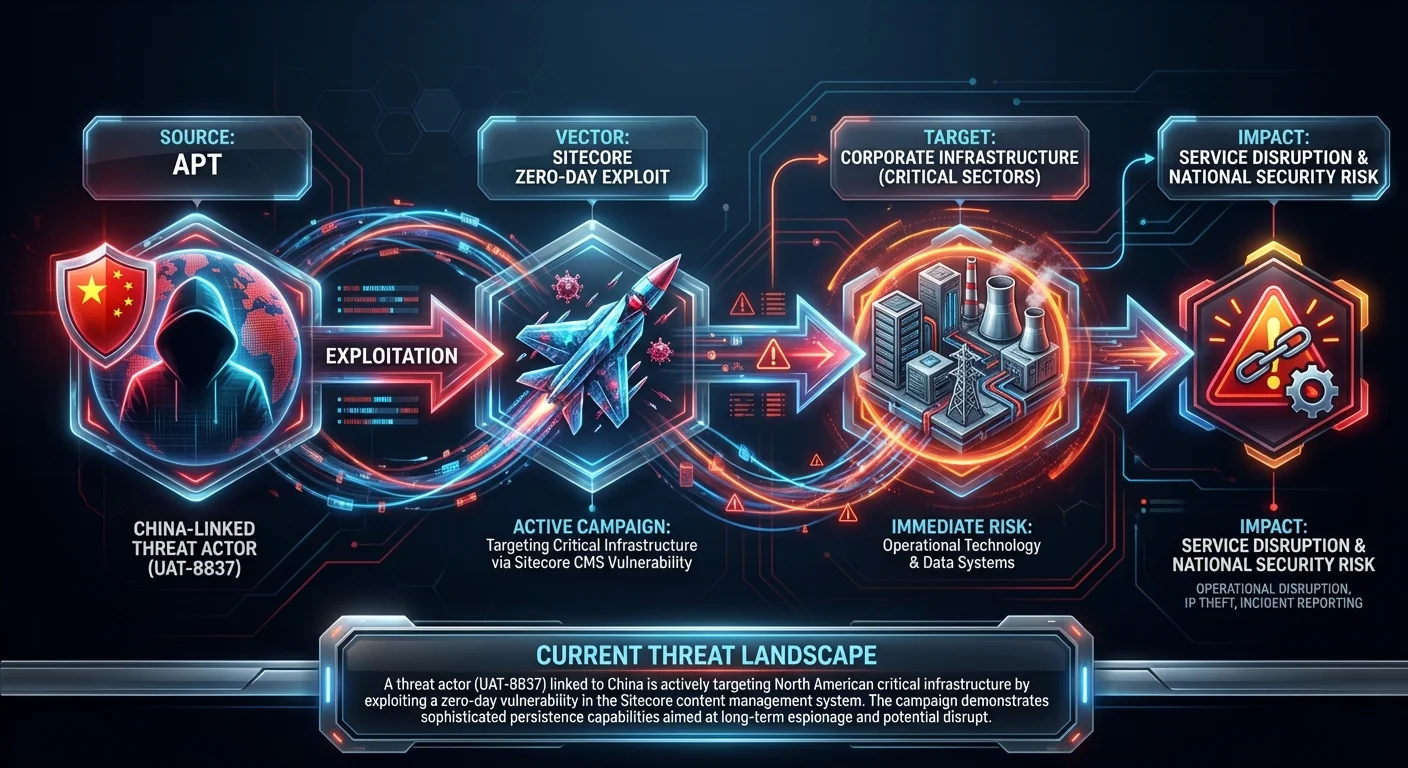
A threat actor (UAT-8837) linked to China is actively targeting North American critical infrastructure by exploiting a zero-day vulnerability in the Sitecore content management system. The campaign demonstrates sophisticated persistence capabilities aimed at long-term espionage and potential disruption.
Business Impact
Organizations in critical sectors using Sitecore face immediate risk of state-sponsored intrusion, potentially leading to operational disruption, theft of intellectual property, and national security level incident reporting requirements.
Recommended Action
Ask your IT team: "Do we run Sitecore CMS in our environment, and have we reviewed logs for indicators of compromise associated with threat group UAT-8837?"

Researchers have identified five malicious Chrome extensions masquerading as legitimate HR and ERP tools (like Workday and NetSuite) to hijack user sessions and steal enterprise data. These extensions bypass traditional network perimeter defenses by operating directly within the trusted browser environment.
Business Impact
Attackers could silently exfiltrate sensitive employee records, payroll data, and financial reports—leading to severe data breaches, identity theft lawsuits, and violations of SOX compliance controls regarding financial data integrity.
Recommended Action
Ask your IT team: "Have we audited our browser extension inventory for 'DataByCloud' or 'SessionBox' variants, and are we blocking unapproved extensions via group policy?"

A maximum-severity vulnerability (CVSS 10.0) in the Modular DS WordPress plugin is currently being exploited in the wild, allowing unauthenticated attackers to take full control of affected websites. This flaw permits remote code execution without requiring any user interaction or credentials.
Business Impact
If exploited, attackers can completely commandeer your corporate website to host malware, steal customer data, or destroy content—resulting in immediate reputational damage, SEO blacklisting, and potential regulatory fines under SOX or HIPAA.
Recommended Action
Ask your IT team: "Do we utilize the Modular DS plugin on any of our web properties, and if so, has the patch for CVE-2026-23550 been applied immediately?"
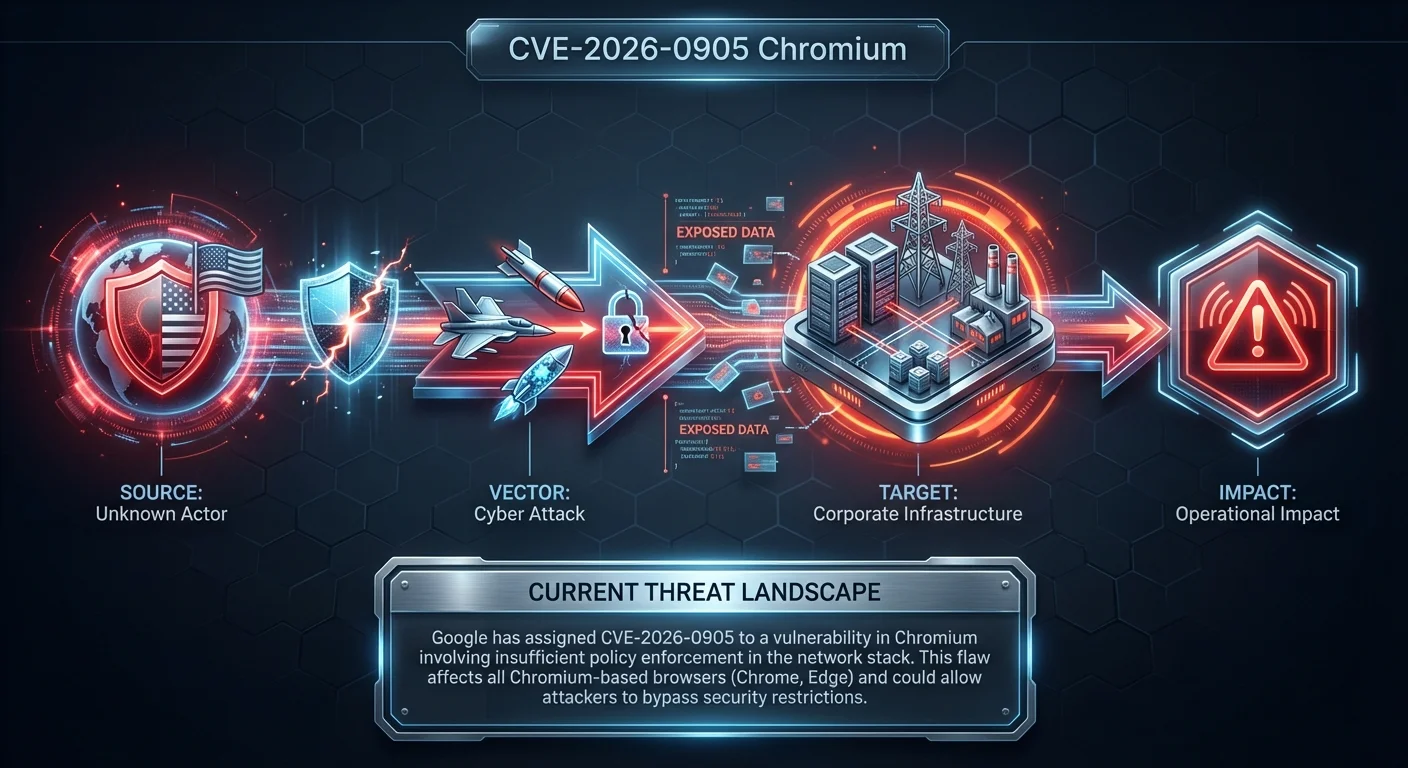
Google has assigned CVE-2026-0905 to a vulnerability in Chromium involving insufficient policy enforcement in the network stack. This flaw affects all Chromium-based browsers (Chrome, Edge) and could allow attackers to bypass security restrictions.
Business Impact
Unpatched browsers could allow malicious websites to circumvent corporate security policies, potentially leading to drive-by downloads or cross-site scripting attacks that compromise user endpoints.
Recommended Action
Ask your IT team: "What is the current patch status of our browser fleet, and have we enforced the update addressing CVE-2026-0905?"
High Severity

A significant breach at the Canadian Investment Regulatory Organization (CIRO) has compromised the data of approximately 750,000 individuals. This incident highlights the cascading risk when regulatory bodies themselves are targeted.
Business Impact
Financial institutions interacting with CIRO should anticipate heightened phishing campaigns leveraging this breach and potential regulatory fallout regarding shared data exposure.
Recommended Action
Ask your IT team: "Have we updated our phishing simulation templates to include lures related to CIRO or investment regulation communications?"
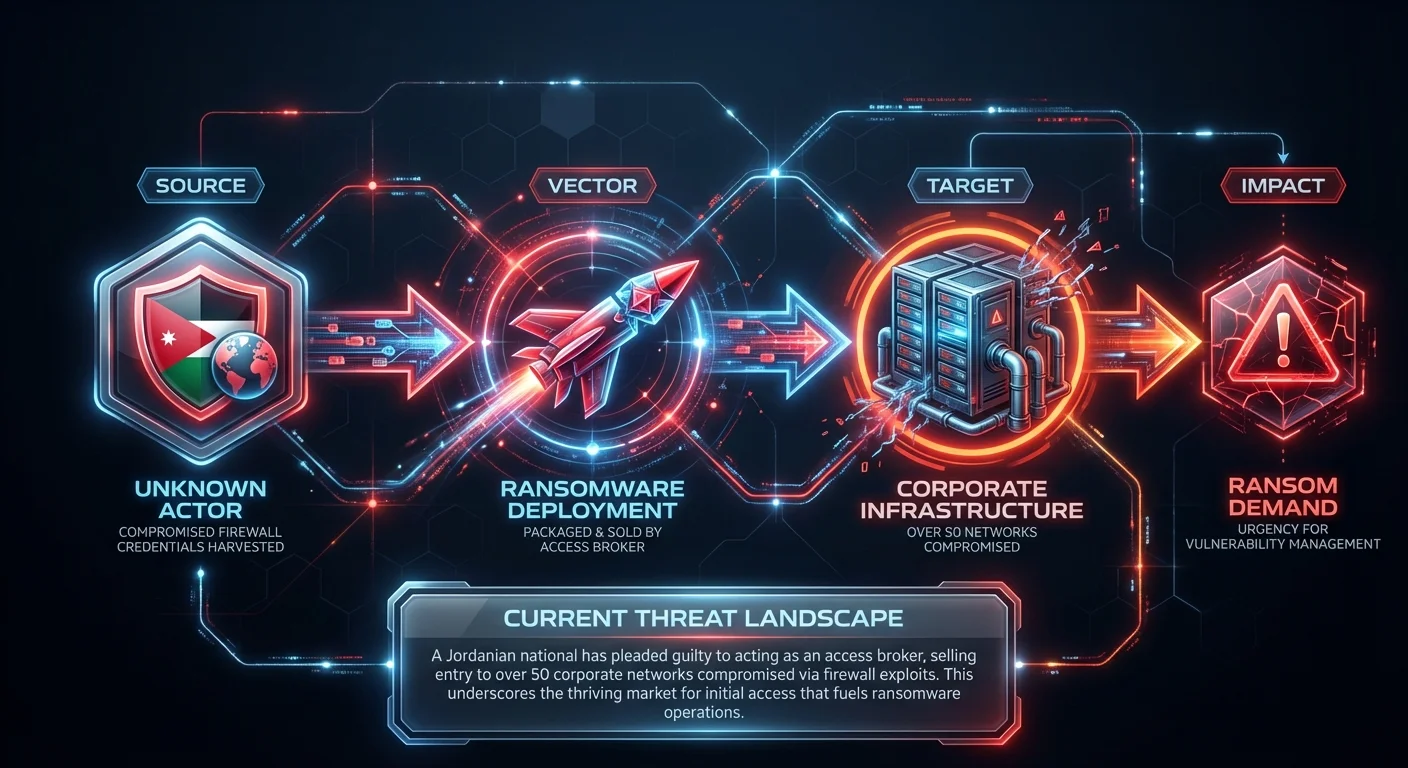
A Jordanian national has pleaded guilty to acting as an access broker, selling entry to over 50 corporate networks compromised via firewall exploits. This underscores the thriving market for initial access that fuels ransomware operations.
Business Impact
The commoditization of network access means that unpatched perimeter devices (like firewalls/VPNs) are likely already listed for sale to ransomware gangs, increasing the urgency of vulnerability management.
Recommended Action
Ask your IT team: "When was the last time we audited our external firewall configurations and patched our edge devices?"
Other Noteworthy
Executive Briefing
Market analysis predicts a "tidal wave" of cybersecurity spending in 2026, driven by macro tailwinds and the need to secure AI implementations. This suggests a continued increase in budget requirements and vendor consolidation.
Vendor Spotlight
Dragos (Specialized Vendor)
Specialization: Industrial Cybersecurity (OT/ICS)
Why Dragos Today: Dragos is specifically relevant to the reported China-linked APT activity targeting critical infrastructure sectors. As a leader in industrial cybersecurity, Dragos provides the necessary visibility and threat detection to protect Operational Technology (OT) environments from advanced persistent threats that often start with IT compromises like the Sitecore zero-day.
Key Capability: OT-specific threat detection and intelligence to identify APT activity within critical infrastructure networks.
Recommended Actions: 1. Navigate to Dragos Platform → Admin → System Management → Knowledge Packs 2. Navigate to Dragos Platform → Detections → Notifications 3. Navigate to Dragos Platform → Intelligence → WorldView
Verification Steps: - Validate Sensor Traffic Ingestion - Verify Notification Playbook Availability